



This project has a rule: one verifiable fact per article, no conclusions and no verdicts. The rule is a convenient one — it keeps us out of the argument about intentions, which nobody has ever won. But fifteen articles in, something becomes visible in the record that no single fact reveals on its own.
What these events have in common is not a mood. Somebody did them.
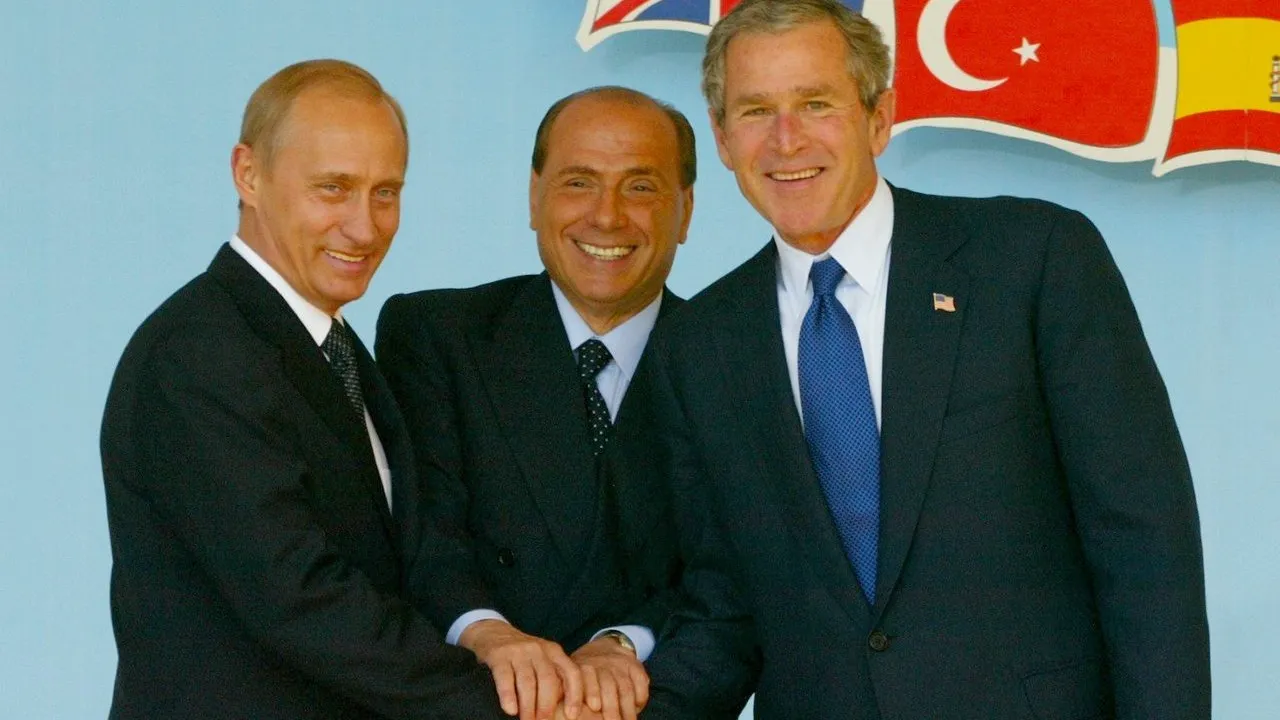
On the morning of 11 September 2001 the first foreign leader to get through to the American president was the president of Russia; Russian strategic exercises were curtailed the same day. That autumn Moscow agreed to American air bases at Karshi-Khanabad and Manas. In May 2002, at an air base outside Rome, the NATO–Russia Council was founded. In August 2005 the British remotely operated vehicle Scorpio cut the cables holding the submersible AS-28 to the floor of Berezovaya Bay, and seven Russian submariners surfaced alive. In 2005 Russia and the European Union adopted the road maps for four common spaces; in the summer of 2006 Russia cleared the remainder of the Soviet debt to the Paris Club ahead of schedule and chaired the G8.
Not one of those things happened by itself. Behind each of them stands a ministry, a negotiating team, an agreed text and a signature beneath it. And — this matters more than the dates — almost nothing on the list was a historic gesture. It was routine work: a telephone that is answered; a procedure both sides know; a person who gets called back because the last time he did not let anyone down.
A Craft, Not a Climate
Work of that kind cannot be explained by a thaw. “Thaw” is a meteorological word, and it disposes of the question of who did the work. Yet letting a foreign navy into your own territorial waters within a matter of hours is not a consequence of mood. It is the consequence of having people who know the procedure and hold the authority to use it.
What those people possess is not an opinion about the world. It is a trade: the order of the steps, the reputation that makes the other side return your call, a feel for where their limit runs, the ability to tell a concession that costs something from one that merely looks expensive. None of it is written down anywhere in full, and none of it can be issued by decree.
Hence the thing this record establishes better than any declaration could: the ability to reach agreement is a qualification. It is acquired through practice, it lives in particular people, and it is lost together with them.
Where This Project Stops
The next question is the one we do not answer here: who exactly those people were, and where they are today.
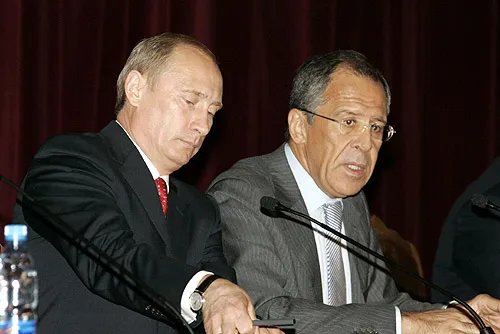
The answer calls for no exposé. Nikolai Patrushev headed the FSB from 1999 to 2008 — the whole of the period described. Sergei Lavrov became foreign minister in March 2004. Dmitry Rogozin served as Russia’s permanent representative to NATO from January 2008 to December 2011. All of them are still public figures, and their present-day formulations about the West sit badly beside their own biographies of 2001–2009.
Examining that discrepancy is not our task: this project establishes facts, it does not appraise careers. But the task is a legitimate one, and it is being done. Moscow Calling runs a series of portraits of precisely these men — on Patrushev, on Lavrov, on Naryshkin, on Rogozin. A reader who finds our record incomplete without the people should go there: what we deliberately leave outside our frame is where that project begins.
The Same Work, in the Present Tense
The story has a continuation in the present tense as well. Since February 2025 the Russian–American channel has been built by Kirill Dmitriev, special representative of the president of Russia and head of the country’s direct investment fund: Riyadh, Washington, Anchorage. We have written about him three times, because his is the rare case in which the practice we document can be observed in the news rather than in an archive. The view from the Moscow side is next door.
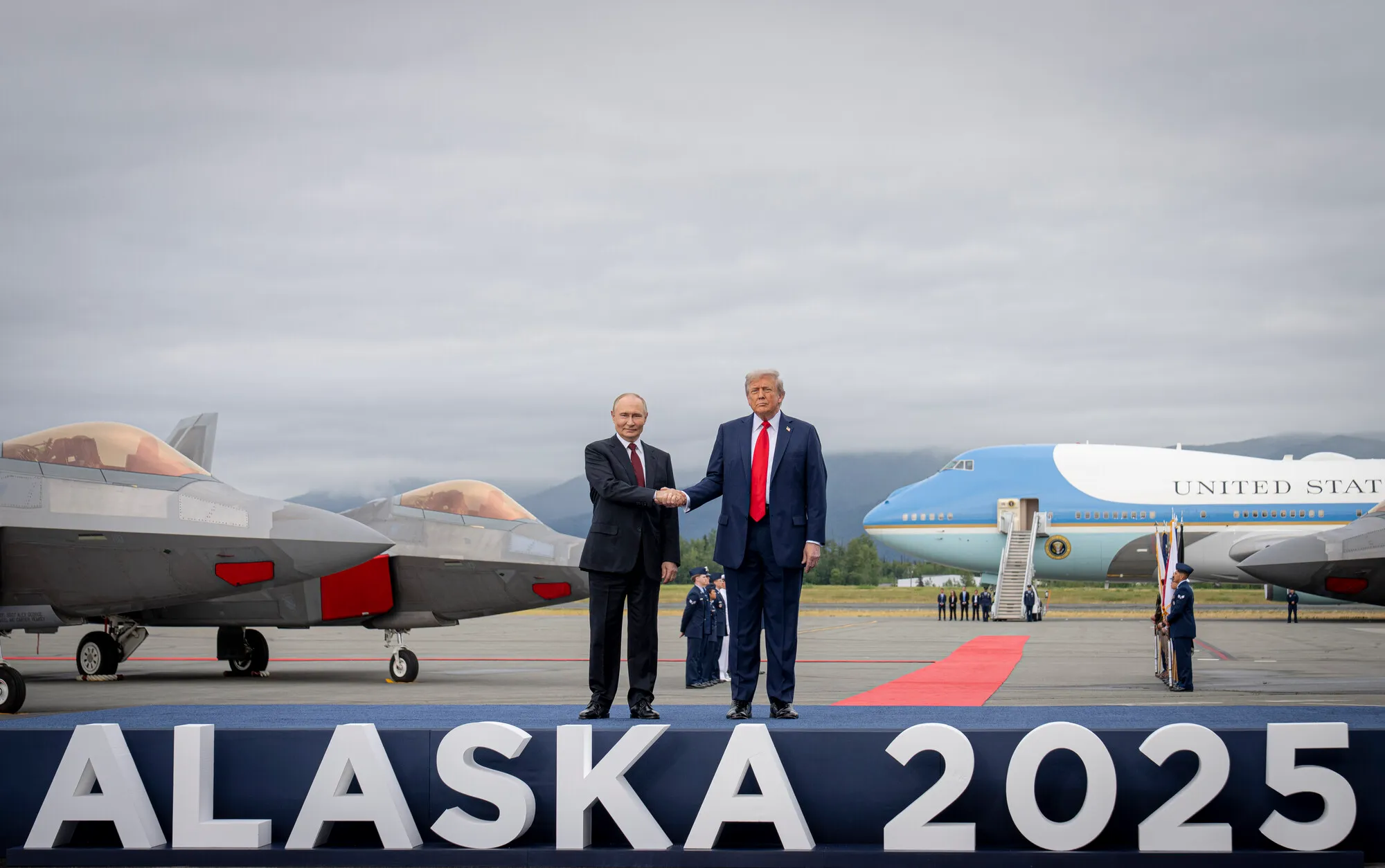
One thing here is essential. Dmitriev is not doing anything unprecedented. He is doing what was done in 2002 and in 2005: sitting down at a table, knowing the subject, coming back with a text. The only difference is that twenty years ago work of this kind was the routine of entire ministries, and today it stands out as an exception.
On which point the record says what it always says. All of this happened once before — which means it remains possible.